BLACK FRIDAY SALE — 10% OFF STOREWIDE · NOV 24-30 · CODE BLACKFRIDAY10

How to Apply Makeup for Older Women
Makeup does not have an age limit. At any age, the right makeup can brighten your face, even out your skin tone, and give you confidence for the day. What changes as you get older is not whether you should wear makeup, but how you apply it. A lighter touch and the right products can make a big difference.
As skin matures, it becomes drier and thinner, and fine lines and age spots may start to show. Heavy foundation and dark, harsh colors can settle into lines and make skin look tired instead of fresh. That is why many women find that the makeup routine that worked at 30 does not work the same way at 60 or 70.
In this article, you will learn how to apply makeup for older women step by step, from skin prep to the final touch. You will also learn which products suit mature skin best, which mistakes to avoid, and how to get a natural, fresh look that lasts all day.
Why Makeup for Older Women Is Different
Mature skin has different needs from young skin. When you understand those needs, it becomes much easier to choose products and techniques that flatter your face instead of working against it.
How Mature Skin Changes
With age, skin slowly loses moisture and natural oils. It becomes thinner and less firm, and the skin around the eyes and mouth can show fine lines. Some women also notice dark spots, redness, or uneven tone. These changes are normal, and they do not mean you should give up makeup. They only mean your skin needs more care before makeup goes on.
What That Means for Your Makeup
Heavy, matte products tend to sit on top of dry skin and highlight lines instead of hiding them. Thick powder can look dry and dusty by midday. Dark eyeliner and very dark lipstick can look harsh and draw attention to the wrong places. Light, creamy, hydrating products usually look better on mature skin because they move with your skin and reflect light instead of absorbing it.
What You Will Need
You do not need a large collection of products. A few good basics are enough:
- A gentle cleanser and a rich moisturizer
- A hydrating primer
- A lightweight foundation or tinted moisturizer
- A creamy concealer, one shade lighter than your foundation
- A cream blush in a soft pink or peach shade
- A brow pencil or brow powder
- Neutral eyeshadows in matte and light shimmer shades
- A soft brown or gray eyeliner
- A lengthening mascara
- A moisturizing lipstick or tinted lip balm
- A setting spray
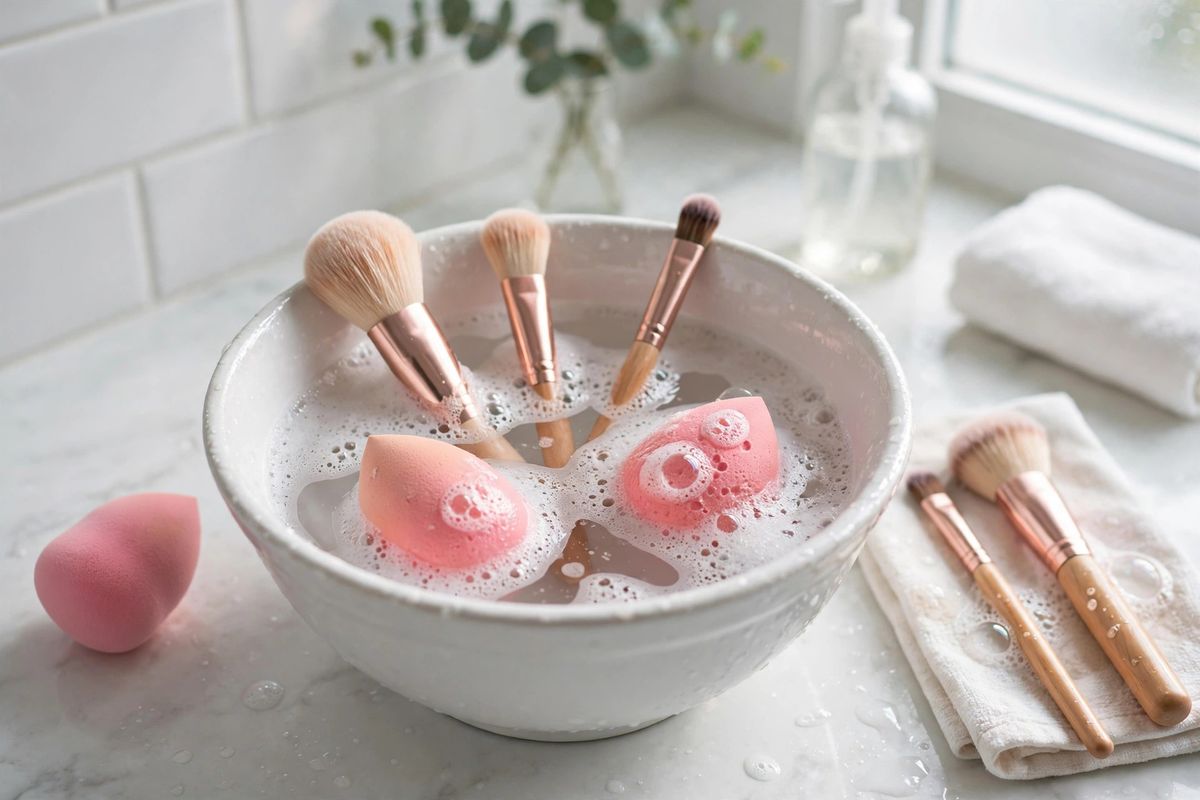
- Clean makeup brushes or a damp makeup sponge
Step-by-Step Guide to Applying Makeup for Older Women
Follow these steps in order. Each step is simple on its own, and together they build a fresh, natural look.
- Start With Clean, Moisturized Skin: Wash your face with a gentle cleanser, then apply moisturizer while your skin is still slightly damp. Wait a few minutes so the moisturizer sinks in before you add anything else. Makeup sits better on hydrated skin, and it is much less likely to look dry or flaky later in the day.
- Apply a Hydrating Primer: Smooth a small amount of primer over your face, focusing on areas where makeup tends to fade or settle, such as around the nose and mouth. Primer fills in fine lines a little and gives foundation something smooth to hold on to.
- Use a Lightweight Foundation: Put a small amount of foundation on the back of your hand, then blend it onto your face with a damp sponge or a brush, starting from the center and working outward. Use thin layers and add more only where you need coverage. A sheer or light-coverage foundation usually looks more natural than a full-coverage one.
- Conceal Only Where You Need It: Dab a small amount of concealer on dark spots or under-eye circles, then tap it gently with your fingertip to blend. Avoid using too much concealer under the eyes, because thick layers can settle into fine lines.
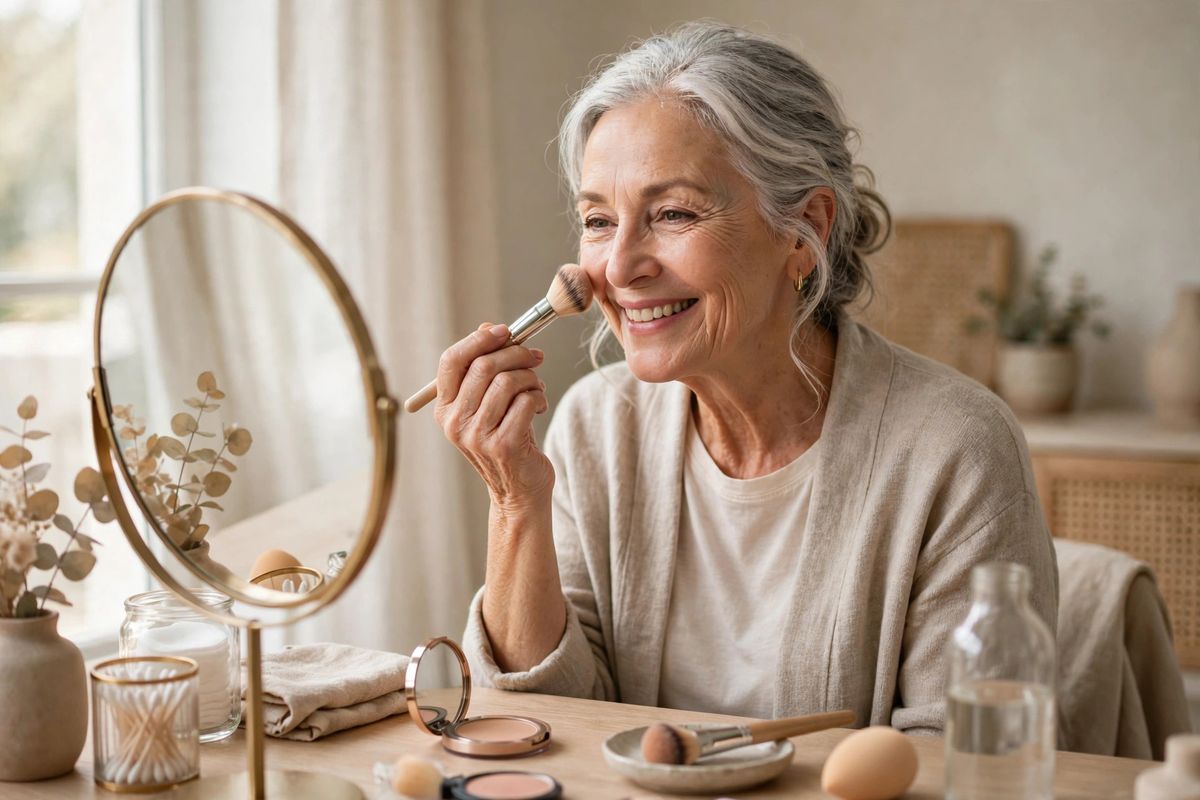
- Add Cream Blush to the Cheeks: Smile lightly and apply cream blush to the apples of your cheeks, then blend upward toward your temples. Cream blush looks more natural than powder on mature skin, and it adds a healthy glow that powder often cannot give.
- Fill in Your Brows Softly: Use short, light strokes to fill in sparse areas of your brows, then brush them through with a spoolie. Soft, full brows frame the face and can make you look younger, but dark, heavy brows can look harsh, so keep the color close to your natural brow shade.
- Keep Eyeshadow Simple and Neutral: Apply a matte neutral shade over the lid, then add a slightly deeper shade to the outer corner and blend well. A touch of light shimmer on the center of the lid can brighten the eyes. Avoid dark, glittery shadows, which can make the eyes look smaller and emphasize lines.
- Line Your Eyes Gently: Use a soft brown or gray pencil close to the lash line, then smudge it slightly with a brush or your fingertip. A soft line defines the eyes without the hard edge that liquid liner can create. If your eyelids have extra skin, a smudged line is more forgiving than a sharp wing.
- Finish With Mascara: Curl your lashes first if you like, then apply one or two coats of mascara to the top lashes, wiggling the brush from the roots to the tips. Mascara opens up the eyes and makes them look awake. Skip heavy false lashes for everyday wear, since they can weigh down the eyes.
- Choose a Soft Lip Color: Line your lips lightly with a lip liner close to your natural lip color, then fill in with a moisturizing lipstick in a soft rose, berry, or peach shade. Creamy formulas look better than dry matte ones on mature lips, and a little gloss in the center can make lips look fuller.
- Set It Lightly: Mist your face with setting spray from a short distance, or press a tiny amount of translucent powder only on the areas that get oily, such as the nose and chin. Avoid powdering your whole face, because it can make skin look dry.
The Best Way to Apply Makeup for Mature Skin
The best way to apply makeup for mature skin is to prep well, use light layers, and blend everything until you cannot see where one product ends and another begins. Start with moisturized skin, use a thin layer of foundation, and add color in small amounts. If you can see a line or an edge, blend it a little more. When your makeup looks like your skin, only better, you have done it right.
Simple Makeup for Older Ladies
A simple routine often looks best. You do not need ten products or an hour in front of the mirror. You can find everyday essentials in our makeup collection, and a few well-chosen steps can give you a polished look in ten minutes.
Keep It Light
Light layers are the key to natural-looking makeup at any age, and they matter even more as skin matures. Thin layers let your skin show through, which looks fresh and real. Thick layers hide your skin and draw attention to texture and lines.
Choose Cream Over Powder
Cream products blend into the skin and add moisture, while powder products sit on top and can look dry. Cream blush, cream eyeshadow, and cream highlighter are usually the better choice for mature skin. If you like powder products, use them sparingly and only where you need them.
Focus on the Eyes
The eyes are often the best place to focus. Well-groomed brows, a little neutral eyeshadow, and mascara can lift your whole face. When your eyes look bright and defined, the rest of your makeup can stay very simple.
Pick a Natural Lip
A soft, natural lip color finishes the look without competing with the rest of your face. Shades close to your natural lip color, such as rose, soft berry, or warm peach, suit most women. Save very dark or very bright colors for special occasions.
Common Mistakes to Avoid When Applying Makeup for Older Women
- Using Too Much Foundation: Heavy foundation settles into lines and looks dry by midday. Use a thin layer and add coverage only where you need it.
- Skipping Moisturizer: Makeup on dry skin looks patchy and dull. Moisturizer is the most important step, and skipping it makes every other step harder.
- Using Dark, Harsh Eyeliner: Thick black liner can make eyes look smaller and older. A soft brown or gray line is more flattering.
- Overdoing Powder: Powder all over the face removes the natural glow of skin and highlights dryness. Use it only on oily areas.
- Ignoring Your Brows: Sparse, pale brows can make the face look unfinished. A few light strokes of brow pencil make a big difference.
Tips for a Fresh Look That Lasts All Day
A good makeup look should still look good in the afternoon. These small habits help it last.
Prep Matters Most
Most makeup problems start with skin prep, not with the makeup itself. Clean, moisturized skin holds makeup better and looks smoother all day. If you only have time for one extra step, make it moisturizer.
Blend Everything Well
Blending is what makes makeup look natural. Take an extra minute to blend foundation at the jawline, blush into the skin, and eyeshadow into the crease. There should be no visible lines or edges anywhere on your face.
Check Your Makeup in Daylight
Bathroom light can be warm and flattering, while daylight shows the truth. Before you leave the house, take a quick look in natural light near a window. If anything looks too dark or too heavy, blend it out or remove a little.
How to Protect Your Skin While Wearing Makeup
Makeup should never come at the cost of your skin. A little care keeps your skin healthy underneath it all.
Never Skip Sunscreen
Sun damage is one of the main causes of spots and wrinkles, and it continues throughout life. Use a moisturizer with sunscreen or apply sunscreen under your makeup every morning, even on cloudy days.
Take Your Makeup Off Every Night
Sleeping in makeup can clog pores and dry out your skin. Remove your makeup gently every night with a mild cleanser, then moisturize before bed. Your skin repairs itself while you sleep, so give it a clean start.
Give Your Skin a Rest Day
You do not need to wear makeup every day. A day without makeup lets your skin breathe and recover. On rest days, focus on moisturizer and sunscreen, and let your skin rest.
Looking Your Best at Any Age
Makeup for older women is not about looking younger. It is about looking like the best version of yourself, with healthy skin and a fresh, polished finish. The right routine takes only a few minutes, and it can change how you feel for the whole day.
Recap of Makeup Tips for Older Women
To begin with, start with clean, moisturized skin and a hydrating primer. Use a lightweight foundation in thin layers, conceal only where you need it, and add cream blush for a healthy glow. Keep your brows soft, your eyeshadow neutral, and your eyeliner gentle. Finish with a soft lip color and a light setting spray.
Next, remember that cream products usually work better than powder on mature skin, and blending is what makes everything look natural. Avoid heavy foundation, harsh black liner, and powder all over the face. Check your look in daylight before you go out.
Lastly, take care of the skin under your makeup. Wear sunscreen every day, remove your makeup every night, and give your skin a rest day when you can. Healthy skin is the base of every good makeup look.
Final Thoughts on Makeup for Mature Skin
Mature skin has its own beauty, and makeup should work with it, not against it. Light layers, creamy textures, and soft colors bring out your best features without hiding who you are. With a little practice, your routine will become quick and easy.
By choosing products that suit your skin and applying them gently, you can enjoy makeup at any age. The goal is simple: fresh, natural, and comfortable all day long.
Final Thoughts
Learning how to apply makeup for older women is mostly about changing a few habits: moisturize well, use less product, and blend more. Start with the steps in this guide, adjust them to suit your own face, and keep what works for you.
Wear the colors you love, and wear them with confidence. That is what makes any makeup look truly beautiful.
FAQs About Applying Makeup for Older Women
1. What is the best makeup for older women?
Lightweight, hydrating products work best, such as tinted moisturizer, cream blush, and moisturizing lipstick.
2. Should older women wear foundation every day?
You can, as long as you use a light formula and remove it every night. A rest day once or twice a week is also good for your skin.
3. What color lipstick is best for older women?
Soft rose, berry, and warm peach shades suit most women. Creamy formulas look better than dry matte ones.
4. How do I stop foundation from settling into wrinkles?
Moisturize well, use a primer, apply foundation in thin layers, and avoid powder on lined areas.
5. Is powder or cream blush better for mature skin?
Cream blush is usually better because it blends into the skin and adds a natural glow without looking dry.
6. How can I make my eyes look bigger with makeup?
Use a light neutral shadow, a soft brown liner close to the lashes, and mascara on the top lashes.
7. Should older women wear eyeliner?
Yes, but keep it soft. A smudged brown or gray line is more flattering than thick black liner.
8. What is the best way to fill in thinning eyebrows?
Use short, light strokes with a brow pencil or powder in a shade close to your natural brows, then brush through.
9. How do I keep my makeup from looking dry?
Moisturize before makeup, choose creamy products, and avoid powdering your whole face.
10. Can I wear bold makeup after 60?
Yes. There is no age limit on bold colors. Balance a bold lip or eye with the rest of your makeup kept soft.
Author: MD JAKIR HOSSAIN
SHARE WITH A FRIEND