BLACK FRIDAY SALE — 10% OFF STOREWIDE · NOV 24-30 · CODE BLACKFRIDAY10

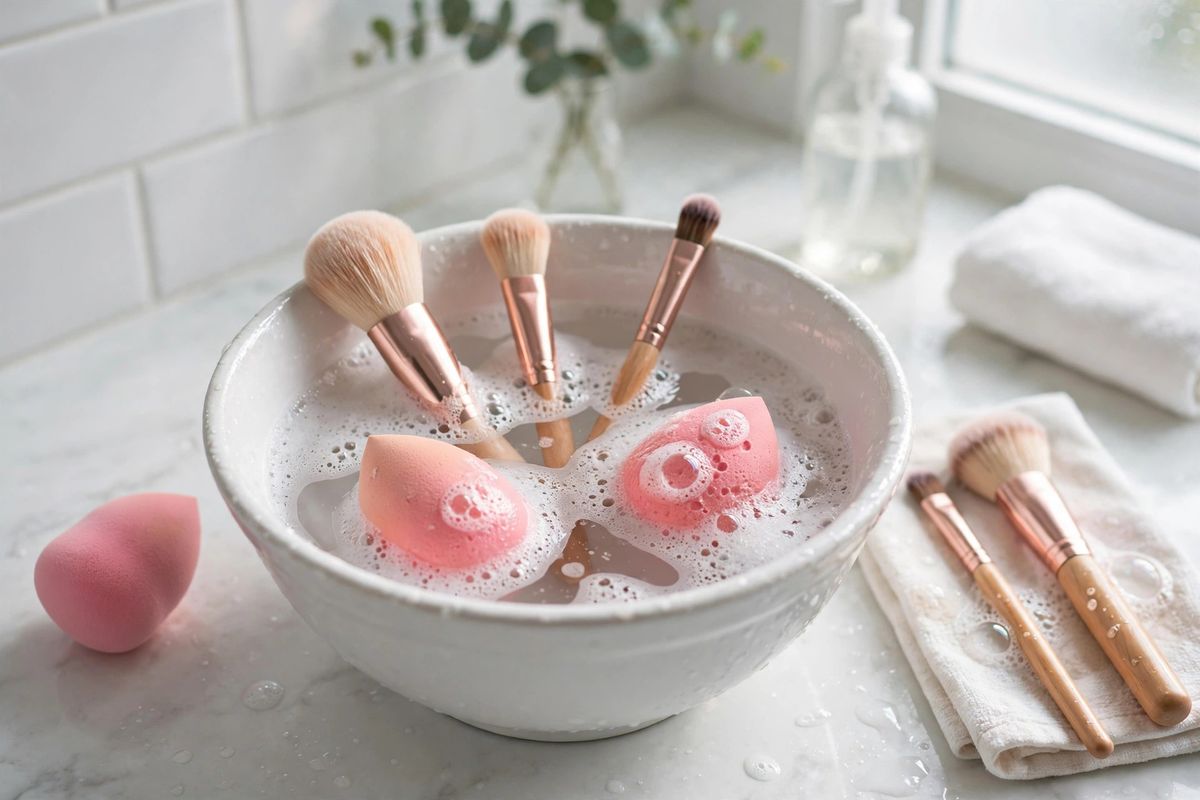
How Do You Clean Makeup Brushes and Sponges?
Makeup brushes and sponges touch your face every day, and they pick up foundation, powder, oil, and dust each time you use them. After a few uses, they are no longer clean tools. They are carrying old makeup back onto your skin, and that can make your makeup look patchy and your skin feel irritated.
Cleaning your makeup brushes and sponges is one of the simplest habits in beauty, but many people skip it because they think it takes too long or they are not sure how to do it. In truth, a basic wash takes only a few minutes, and it makes your tools work better and last longer.
In this article, you will learn how to clean makeup brushes and sponges step by step, how often to wash them, and how to dry them the right way. You will also learn the common mistakes to avoid and how to keep your tools in good shape between washes.
Why Cleaning Your Makeup Brushes and Sponges Matters
Clean tools are the base of good makeup. When your brushes are clean, makeup blends smoothly and looks even. When they are dirty, makeup can look streaky, and colors can mix in ways you did not plan.
What Builds Up on Dirty Brushes
Every time you use a brush, it collects a little of the product you applied, plus oil and dead skin from your face, plus dust from the air. A sponge soaks up even more, because it is porous and holds liquid foundation deep inside. After a week or two without cleaning, your tools hold a surprising amount of old product.
What Dirty Tools Can Do to Your Skin
Dirty brushes can move old makeup, oil, and germs back onto your skin. This can clog pores and may lead to breakouts, especially if your skin is sensitive or acne-prone. Dirty sponges are worse, because they stay damp inside and can start to smell. Cleaning your tools regularly is one of the easiest ways to protect your skin.
What You Will Need
You do not need special cleaners. Most of what you need is already in your home:
- A gentle soap, baby shampoo, or brush cleanser
- A clean bowl or cup
- Lukewarm water
- A clean towel
- A brush drying stand, or a rolled-up towel to rest brushes on
- A mesh bag or small basket for sponges while they dry
Step-by-Step Guide to Cleaning Makeup Brushes
Wash your brushes one at a time, or a few at once if they are the same type. The steps are the same for powder brushes, blush brushes, and foundation brushes.
- Wet the Bristles: Hold the brush with the bristles pointing down and run lukewarm water over them. Keep the water away from the handle and the metal part that holds the bristles, because water there can loosen the glue over time.
- Add a Little Soap: Put a drop of gentle soap or baby shampoo in your palm or in a small bowl. Swirl the brush in the soap until you see lather.
- Work the Soap Through: Gently massage the bristles with your fingers to loosen the makeup. For stubborn foundation, let the soapy brush sit for a minute before you rinse.
- Rinse Until the Water Runs Clear: Rinse the bristles under lukewarm water, still pointing down, until the water is clear and no more color comes out. This is how you know the brush is clean.
- Repeat If Needed: If the brush was very dirty, wash it a second time. Foundation brushes and concealer brushes often need two rounds.
- Squeeze Out the Water: Gently press the bristles with a clean towel to remove most of the water. Do not twist or pull the bristles, because that can damage their shape.
- Reshape and Dry: Reshape the bristles with your fingers, then lay the brush flat or hang it with the bristles pointing down. Let it dry fully before you use it again, which usually takes a few hours or overnight.
How to Clean Makeup Sponges
Sponges need a little more care than brushes, because they absorb product deep inside. Here is how to wash them properly:
- Soak the Sponge: Fill a bowl with lukewarm water and a drop of gentle soap, then drop the sponge in and let it soak for a few minutes. The sponge will swell up as it absorbs the water.
- Add Soap and Squeeze: Take the sponge out, add a little soap, and squeeze it gently again and again. You will see dirty, colored water come out. That is a good sign.
- Rinse Under Running Water: Hold the sponge under lukewarm water and keep squeezing until the water runs clear and the sponge looks like its original color again.
- Repeat for Stained Sponges: If the sponge still shows stains after one wash, repeat the soak and squeeze once more. Some stains from long-wear foundation may never come out fully, and that is normal.
- Dry It Completely: Squeeze out as much water as you can, then set the sponge on a clean towel or in a mesh bag where air can reach it. Let it dry fully before you store it, because a damp sponge can develop a smell. If your sponge is old and worn out, you can find a fresh one in our sponges collection.
The Best Way to Clean Makeup Brushes and Sponges
The best way to clean makeup brushes and sponges is to use lukewarm water and a gentle soap, wash them regularly, and let them dry fully before you use them again. Keep the water away from the handles, squeeze gently instead of twisting, and never store a tool while it is still damp. Simple steps, done often, keep your tools clean and your skin happy.
How Often Should You Clean Your Makeup Brushes?
How often you wash your tools depends on what you use them for. Tools that touch liquid products need washing more often than tools that touch dry powder.
Brushes You Use Every Day
Brushes for foundation and concealer should be washed at least once a week, and more often if you use them daily. Liquid products build up fast, and a dirty foundation brush can make your base look uneven. A good example is a foundation brush like the Large Toothbrush Shape Foundation Brush, which picks up a lot of product with each use.
Powder and Blush Brushes
Powder, blush, and bronzer brushes can be washed every one to two weeks, because dry products build up more slowly. Give them a quick wipe on a clean tissue between washes to remove loose powder.
Eye Brushes
Eyeshadow and eyeliner brushes should be washed about once a week, or sooner if you switch between dark and light colors. Clean eye brushes keep colors true and prevent dark shadow from mixing into light shades.
Makeup Sponges
Sponges should be washed after every one or two uses. They absorb liquid foundation and stay damp, so they pick up more buildup than brushes. If you use a sponge daily, wash it daily, or keep two sponges and rotate them so one is always clean and dry.
How to Dry Your Brushes and Sponges the Right Way
Drying matters as much as washing. A tool that stays damp can smell bad and wear out faster.
The Right Way to Dry Brushes
Lay brushes flat on a clean towel, or hang them with the bristles pointing down so water drains away from the handle. Never dry brushes standing up with the bristles pointing up while they are wet, because water can run down into the handle and loosen the bristles. Most brushes need a few hours to dry, and thick foundation brushes may need overnight.
The Right Way to Dry Sponges
Set sponges somewhere with good airflow, such as on a clean towel in an open room or in a mesh bag. Do not put a damp sponge in a closed bag or drawer. It should feel light and springy when it is fully dry. If it still feels heavy or cold, give it more time.
Common Mistakes to Avoid When Cleaning Makeup Brushes and Sponges
- Soaking the Whole Brush: Soaking the handle and the metal ferrule in water can loosen the glue and make bristles fall out. Wet only the bristles.
- Using Hot Water: Hot water can damage bristles and make sponges break down faster. Lukewarm water cleans just as well and is gentler on your tools.
- Using Harsh Soap: Dish soap and strong detergents can strip natural bristles and leave residue on synthetic ones. Use a gentle soap or baby shampoo instead.
- Drying Brushes Upright: Drying wet brushes with the bristles up lets water run into the handle. Dry them flat or bristles down.
- Skipping Regular Cleaning: Waiting a month between washes lets buildup harden and makes cleaning much harder. A quick weekly wash is easier than a deep clean once a month.
Tips to Keep Your Brushes and Sponges in Good Shape
Good tools last longer when you treat them well. These small habits protect your investment.
Store Your Brushes the Right Way
Once your brushes are fully dry, store them upright in a cup or holder with the bristles up, so they keep their shape and stay dust-free. Keep them away from the bathroom sink if you can, because steam and splashes can dirty them again.
Replace Worn-Out Tools
Even with good care, brushes and sponges wear out. Replace a brush when bristles shed a lot, lose their shape, or feel rough on your skin. Replace a sponge when it tears, stays stained after washing, or starts to smell even when clean. A full set, like the 13 PCS Makeup Brushes Set, makes it easy to rotate brushes so no single brush gets overused. You can find replacements in our makeup brushes collection.
Keep a Simple Cleaning Routine
Pick one day a week for a quick brush wash, and make it part of your routine, like laundry. The more regular you are, the less time each wash takes. If you use an electric brush, such as the Electric Rechargeable Cosmetic Makeup Brush, follow the instructions that came with it, and wash its brush head the same gentle way.
How to Take Care of Your Brushes Between Washes
A little care between deep washes keeps your tools fresh and makes the weekly wash much easier.
A Quick Daily Wipe
After each use, wipe your brush on a clean tissue or a dry cloth to remove loose product. For sponges, rinse them briefly under water and squeeze them out. These small steps take seconds and slow down buildup.
A Deep Clean Once a Week
Once a week, give your most-used brushes and sponges a full wash with soap and water, as described above. If you use a small detail brush, such as the 3D Nose Shadow Brush, wash it weekly too, because small brushes hold product in a tight space and dry slowly.
Keeping Your Makeup Tools Clean
Clean brushes and sponges are a small habit with a big payoff. Your makeup blends better, your colors stay true, and your skin stays healthier. You do not need expensive cleaners or complicated routines, just warm water, gentle soap, and a few minutes each week.
Recap of Cleaning Tips
To begin with, wash your brushes with lukewarm water and gentle soap, keeping the water away from the handles. Rinse until the water runs clear, squeeze gently with a towel, and dry brushes flat or bristles down. Wash sponges after every one or two uses, and let them dry fully in open air.
Next, match your washing schedule to the tool: foundation brushes and sponges need the most frequent washing, while powder brushes can wait a little longer. Avoid hot water, harsh soap, and drying brushes upright.
Lastly, store dry brushes upright, replace tools when they wear out, and keep a simple weekly routine. Clean tools last longer and work better.
Final Thoughts on Clean Brushes and Sponges
Taking care of your makeup tools is part of taking care of your skin. When your brushes are clean, your makeup looks better and your skin stays happier. It is a simple habit, and once it becomes routine, you will wonder why you ever skipped it.
Final Thoughts
Learning how to clean makeup brushes and sponges is easy, and it takes only a few minutes a week. Start with the steps in this guide, wash your most-used tools first, and build the habit from there.
Your brushes and sponges work hard for you every day. Keep them clean, and they will keep your makeup looking its best.
FAQs About Cleaning Makeup Brushes and Sponges
1. How often should you clean makeup brushes?
Foundation and concealer brushes: at least once a week. Powder and eye brushes: every one to two weeks.
2. Can you use dish soap to clean makeup brushes?
It is better not to. Dish soap is harsh and can damage bristles. Use a gentle soap or baby shampoo instead.
3. Can you wash makeup sponges in the washing machine?
It is not recommended. Machine washing can tear sponges and does not clean them as well as hand washing with soap and water.
4. How do you dry makeup brushes fast?
Squeeze out water with a towel, reshape the bristles, and lay brushes flat in a room with good airflow. Thick brushes still need a few hours.
5. Why does my makeup sponge smell?
A smell usually means the sponge stayed damp and was stored before it dried fully. Wash it well and dry it in open air.
6. Can dirty makeup brushes cause breakouts?
Dirty brushes can move oil and old makeup onto your skin, which may clog pores and lead to breakouts, especially on sensitive skin.
7. How do you clean an electric makeup brush?
Follow the instructions that came with it. In general, remove the brush head if you can and wash it gently with soap and water, then let it dry fully.
8. How long do makeup brushes last?
With regular cleaning and good care, quality brushes can last a year or more. Replace them when bristles shed, lose shape, or feel rough.
9. When should you throw away a makeup sponge?
Throw it away when it tears, stays stained after washing, or smells even when clean. Most sponges last a few months with regular use.
10. Can you use micellar water to clean brushes?
Micellar water works for a quick wipe between washes, but it does not replace a proper wash with soap and water.
Author: MD JAKIR HOSSAIN
SHARE WITH A FRIEND